

Papua, the easternmost region of Indonesia, is a land of vibrant traditions, unique languages, and rich ancestral stories passed down through generations. Beyond its lush rainforests and marine wonders, Papua offers deeply rooted cultural heritage sites that reflect the identity and resilience of its indigenous communities. These cultural landmarks are more than just physical locations—they represent the living memory and legacy of the Papuan people. Here are five meaningful cultural heritage sites across Papua that offer insight into its history and traditions.
1. Asmat Woodcarving Traditions in Agats
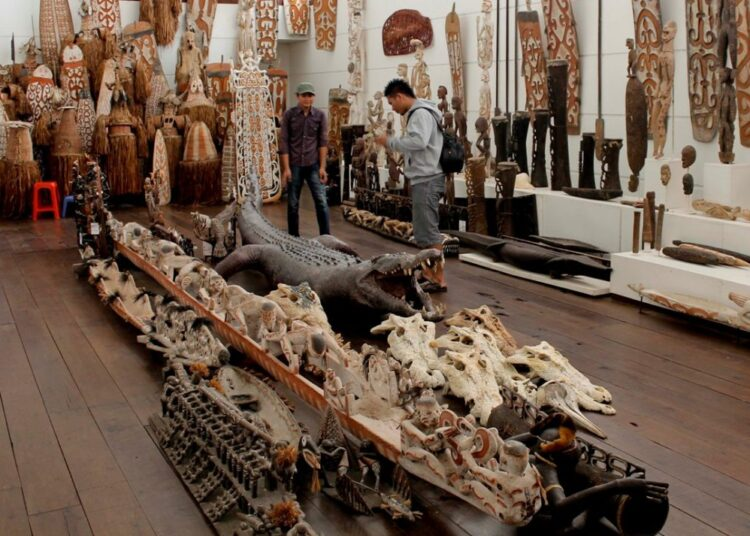
The Asmat region in South Papua is globally recognized for its intricate woodcarving tradition. These carvings, often used in rituals or as ancestral representations, are deeply symbolic and reflect the spiritual beliefs of the Asmat people. Visiting Agats, the cultural heart of the Asmat, allows you to explore traditional longhouses and museums that preserve these artistic legacies. The motifs and stories carved into each piece tell of mythologies, tribal lineage, and life’s cycles—an open window into one of Papua’s most vibrant cultures.
2. The Megalithic Sites of Tutari Hill in Jayapura
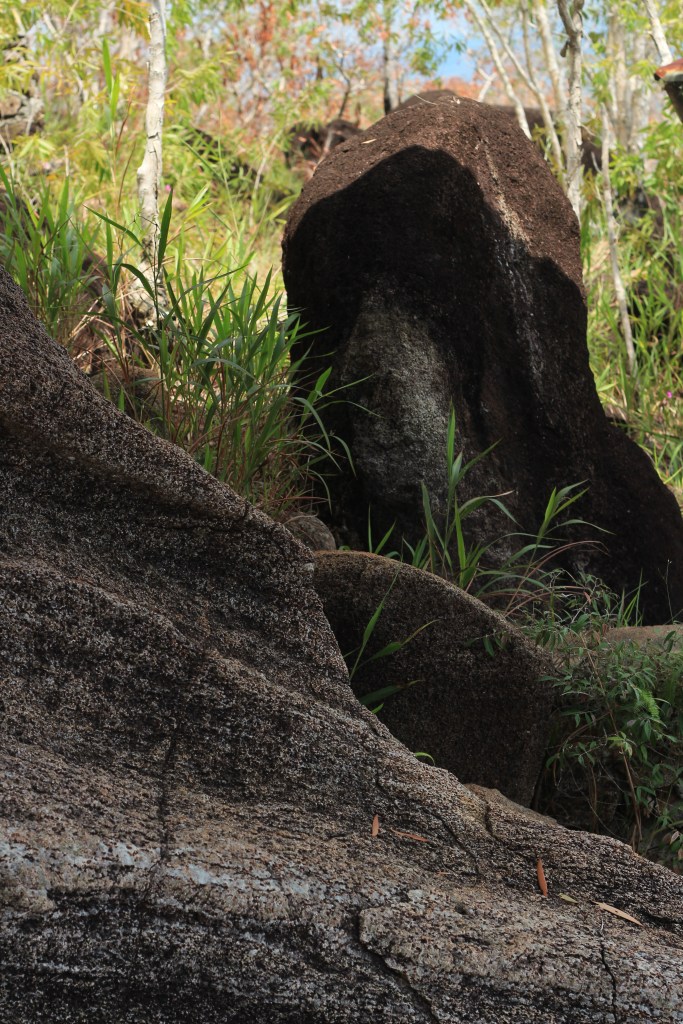
Tutari Hill in the Sentani area of Jayapura is home to ancient megalithic stones and rock art that date back thousands of years. These stone carvings, featuring faces, geometric patterns, and animal figures, are believed to have spiritual significance for local tribes. Overlooking Lake Sentani, the site provides not only historical insight but also a stunning natural backdrop. It’s an important cultural monument that connects modern-day Papuans with their prehistoric ancestors.
3. The Skouw Border Monument and Cultural Park
.jpeg)
While Skouw is known as the easternmost point marking the Indonesia–Papua New Guinea border, it also serves as a symbolic space for Papuan identity. Near the Skouw border gate, cultural installations and traditional Papuan architectural displays highlight the region’s significance as both a geopolitical and cultural marker. Events and festivals are often held here to celebrate unity, heritage, and cross-border kinship between indigenous communities.
4. Wamena Traditional Honai Village Sites

In the Baliem Valley of the central highlands lies Wamena, surrounded by traditional Honai villages. Honai are circular huts built with wooden frames and thatched roofs, representing the traditional housing style of the Dani tribe. Beyond their architectural uniqueness, these structures form the core of social and ceremonial life. Visiting these heritage sites offers direct interaction with local communities, where visitors can learn about age-old customs, war dance rituals, and traditional farming practices that have endured for centuries.
5. Korowai Treehouse Settlements in South Papua

Deep in the lowland forests of South Papua, the Korowai people are known for constructing remarkable treehouses elevated up to 30 meters high. These homes, built atop sturdy trees, are designed to protect from wildlife and flooding. While not monuments in the traditional sense, these settlements are powerful living examples of adaptive heritage and architectural ingenuity. Guided cultural visits to Korowai areas offer rare insights into a way of life that remains closely connected to nature and ancestral knowledge.
Discover Papua’s Cultural Legacy with DoorToID!
From megalithic stones to treetop dwellings, Papua offers a cultural journey unlike any other in Indonesia. These heritage sites reflect centuries of indigenous wisdom, artistry, and spiritual connection to the land. As you step into these sacred and historical spaces, you engage with a world where culture is not just remembered—it is lived.
Contact DoorToID: Reach us at [email protected] for expert travel and heritage tour planning
Fast & Reliable Services: From cultural permits to seamless travel logistics, access it all via our Apple and Android app
Start Your Journey Today: Visit apps.doortoid.com and let your cultural journey in Papua begin
Let DoorToID guide you to the heart of Papua’s most treasured cultural heritage.