

Indonesia’s culinary landscape is shaped by centuries of cultural encounters, and one of the most lasting influences comes from the Dutch colonial era, known as Hindia-Belanda. During this time, European tastes blended with local ingredients and traditions, creating unique dishes that remain part of Indonesia’s identity today. These foods are not just delicious—they are symbols of cultural fusion that still grace dining tables in 2025.
1. Rijsttafel (Nasi Rames)

The famous “rijsttafel,” meaning “rice table” in Dutch, was developed to showcase the variety of Indonesian cuisine in one meal. In modern Indonesia, it evolved into nasi rames, where a plate of rice is served with multiple side dishes—vegetables, meats, sambal, and more. It’s a living reminder of how colonial dining practices blended with local traditions.
2. Semur
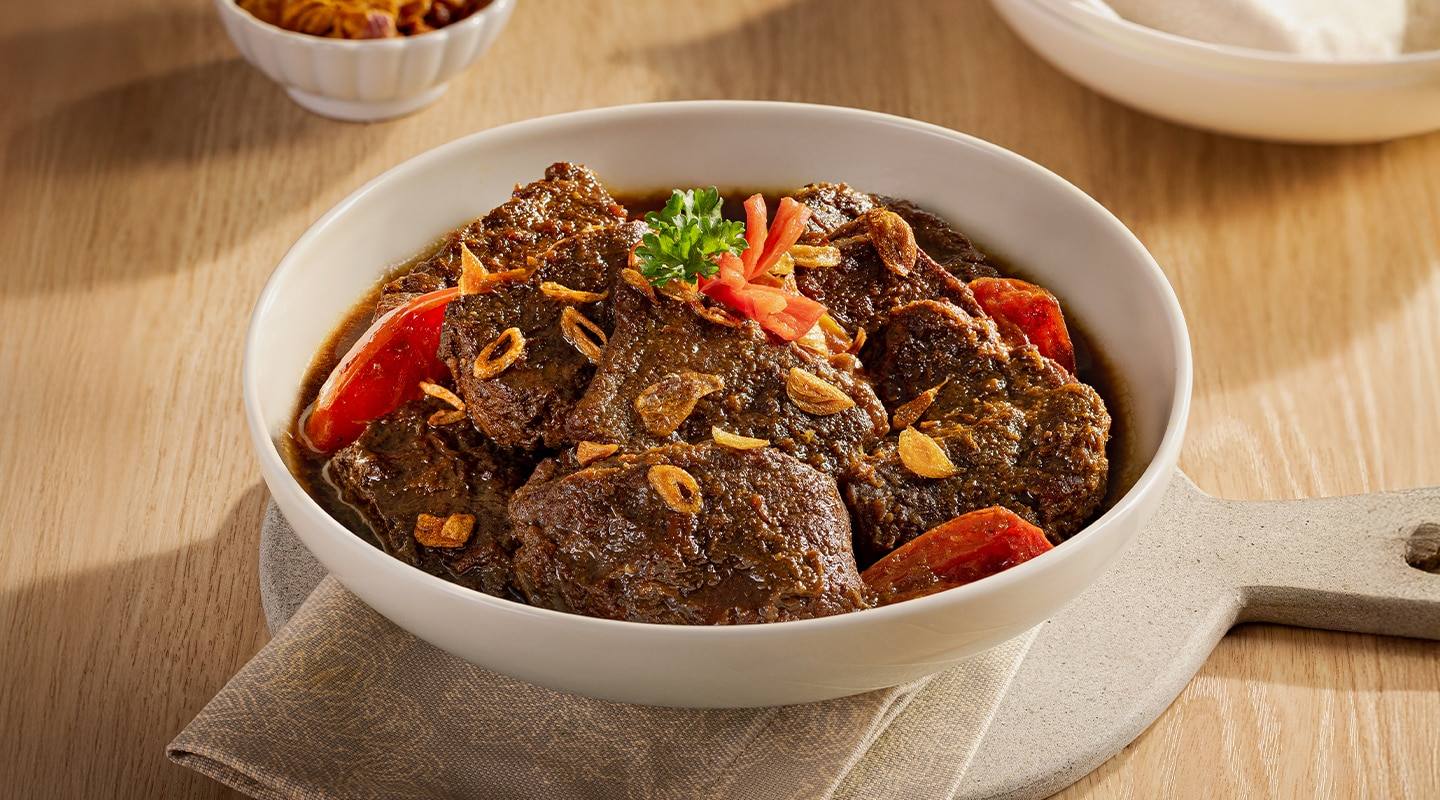
Adapted from the Dutch word smoor (to braise), semur is a rich, soy-based stew often made with beef or chicken, flavored with spices like nutmeg and cloves. The dish is a perfect example of how European cooking methods merged with Indonesian spices to create something deeply comforting and widely loved.
3. Kroket
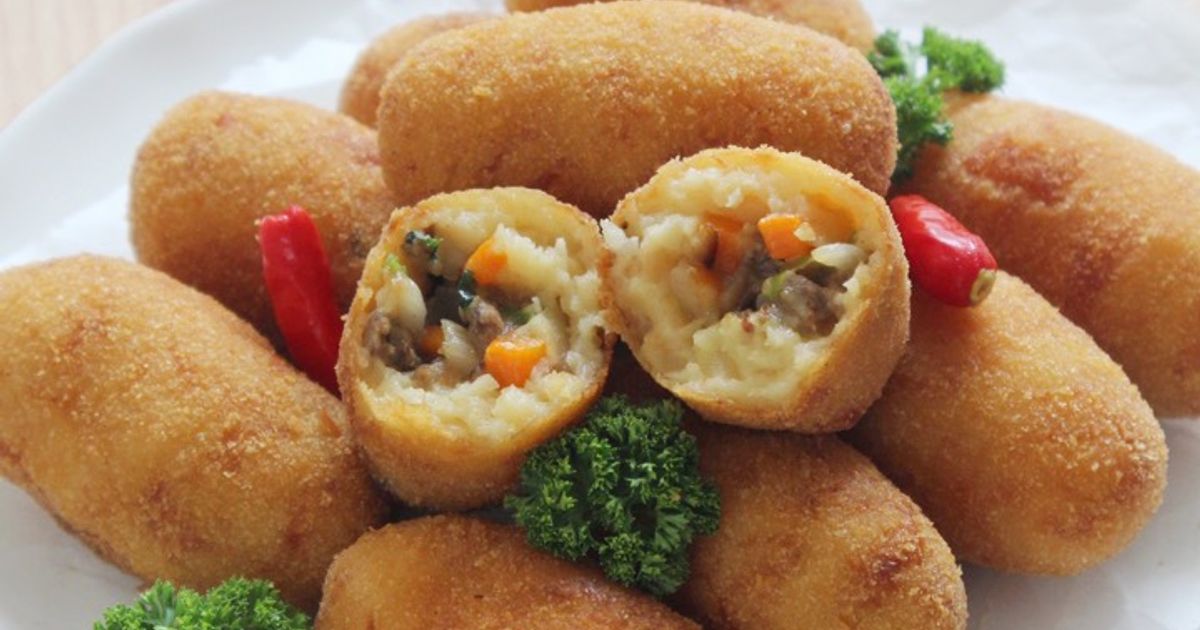
Originally Dutch, kroket found a permanent home in Indonesian street food culture. These deep-fried potato croquettes, filled with seasoned meat or vegetables, are sold everywhere from roadside stalls to bakeries. Over time, Indonesians added local twists, making them spicier and more flavor-packed.
4. Selat Solo

A fusion dish from Central Java, Selat Solo is often referred to as Javanese-style salad. It combines European elements like beefsteak and potatoes with local vegetables, soy-sauce dressing, and a hint of sweet-and-sour flavor. This hybrid reflects both colonial influence and Javanese creativity in adapting foreign tastes.
5. Kaastengels
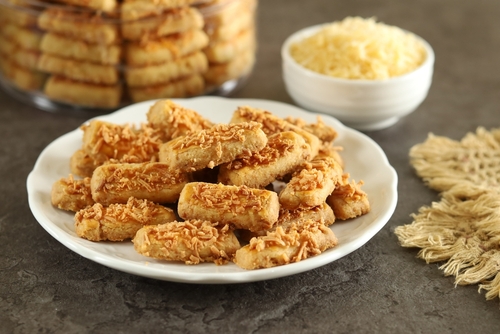
These savory cheese cookies, whose name comes from the Dutch words kaas (cheese) and stengels (sticks), became a festive staple in Indonesia. Usually enjoyed during holidays such as Lebaran and Christmas, kaastengels are a sweet memory of colonial kitchens that continue to be baked in households across the country.
Taste History with DoorToID
These dishes are more than just food—they are edible archives of Indonesia’s colonial past and cultural resilience. Each bite tells a story of adaptation, creativity, and shared heritage that lives on in modern kitchens and celebrations.
Contact DoorToID: Reach us at [email protected] for your personalized travel planning
Fast & Reliable Services: From culinary tours to travel assistance, all available through our Apple and Android mobile app
Plan Your Culinary Heritage Journey Today: Visit apps.doortoid.com and let us help you explore Indonesia’s unique food history
With DoorToID, your journey through Indonesia becomes a flavorful bridge between the past and present.