

5 Hidden Cultural Destinations in Indonesia for Curious Explorers

Indonesia’s tourism landscape extends far beyond its mainstream icons. Across remote valleys, coastal villages, and forested highlands, lesser-known destinations preserve authentic rituals, architecture, and community traditions. For travelers seeking immersive cultural tourism and off-the-beaten-path experiences, these hidden gems reveal Indonesia’s living heritage in its purest form.

1. Wae Rebo – The Mountain Village Above the Clouds

https://upload.wikimedia.org/wikipedia/commons/a/a9/Rumah_Adat_Mbaru_Niang.jpg
Nestled at 1,200 meters above sea level in Flores, Wae Rebo is a remote traditional village known for its distinctive cone-shaped Mbaru Niang houses and strong adherence to ancestral customs. Reaching the village requires a scenic trek through forested hills, reinforcing its sense of isolation and authenticity. Visitors are welcomed through a formal traditional ceremony before staying overnight in communal houses, offering direct exposure to Manggarai culture, weaving traditions, and agricultural practices. As one of Indonesia’s most remarkable community-based tourism examples, Wae Rebo combines sustainable travel, cultural preservation, and breathtaking highland scenery in one unforgettable experience.

2. Sade Village – Preserving Sasak Architectural Heritage

https://cdn.prod.website-files.com/64b222c42a8a72a3d7b1f51e/668617021bce1bc862e372e8_desa-adat-sade-lombok-tengah-foto-ridhajpnn-xenat-lsl3.jpg
Located in Central Lombok, Sade Village is home to the indigenous Sasak community, who maintain centuries-old architectural designs and weaving traditions. The houses, built from bamboo, wood, and clay floors polished with natural materials, reflect sustainable construction methods adapted to Lombok’s climate. Women in the village continue to produce handwoven textiles using traditional looms, while guides explain marriage customs, social structure, and ritual ceremonies. Unlike commercialized attractions, Sade remains a living village where tourism supports cultural continuity, making it an essential stop for travelers seeking authentic Lombok heritage beyond the island’s beaches.

3. Bawomataluo – Stone Jumping and Megalithic Traditions

https://dynamic-media-cdn.tripadvisor.com/media/photo-o/14/71/df/e3/bawomataluo-village.jpg?h=-1&s=1&w=1200
Perched on a hilltop in South Nias, Bawomataluo is famous for its stone-jumping ritual, where young men leap over a two-meter stone structure as a traditional rite of passage symbolizing strength and maturity. The village also features rows of grand wooden houses built on stone foundations, reflecting megalithic influences unique to Nias culture. Visitors can observe ceremonial spaces, ancestral statues, and social hierarchies that remain embedded in daily life. For travelers interested in indigenous architecture and rare cultural performances in Indonesia, Bawomataluo offers a powerful glimpse into a resilient island identity shaped by isolation and tradition.

4. Derawan Islands – A Quiet Marine Sanctuary with Cultural Roots
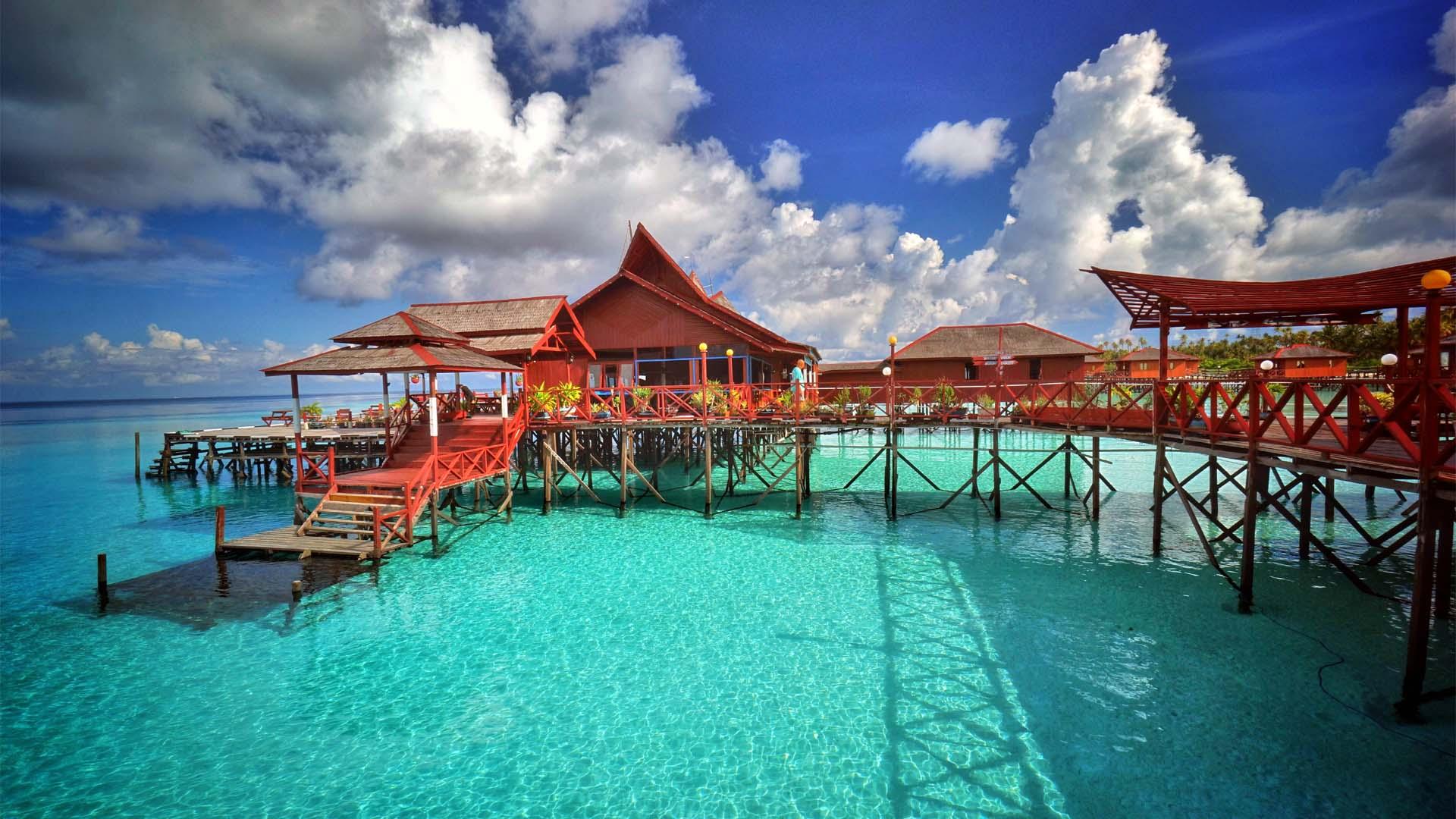
https://www.indonesia.travel/contentassets/002964be0f414c64a4321cdd41f4ec02/derawan_banner.jpg
While known among divers, the Derawan Islands remain relatively uncrowded compared to other Indonesian marine destinations. Beyond coral reefs and turtle nesting sites, the islands host small coastal communities whose livelihoods revolve around fishing and eco-tourism. One of the most unique attractions is the nearby jellyfish lake, where visitors can swim among non-stinging jellyfish in a protected ecosystem. Combining marine biodiversity with traditional island life, Derawan represents sustainable tourism development in East Kalimantan, appealing to travelers who value ecological conservation alongside authentic local interaction.

5. Sembalun – Highland Farming Culture Beneath Mount Rinjani
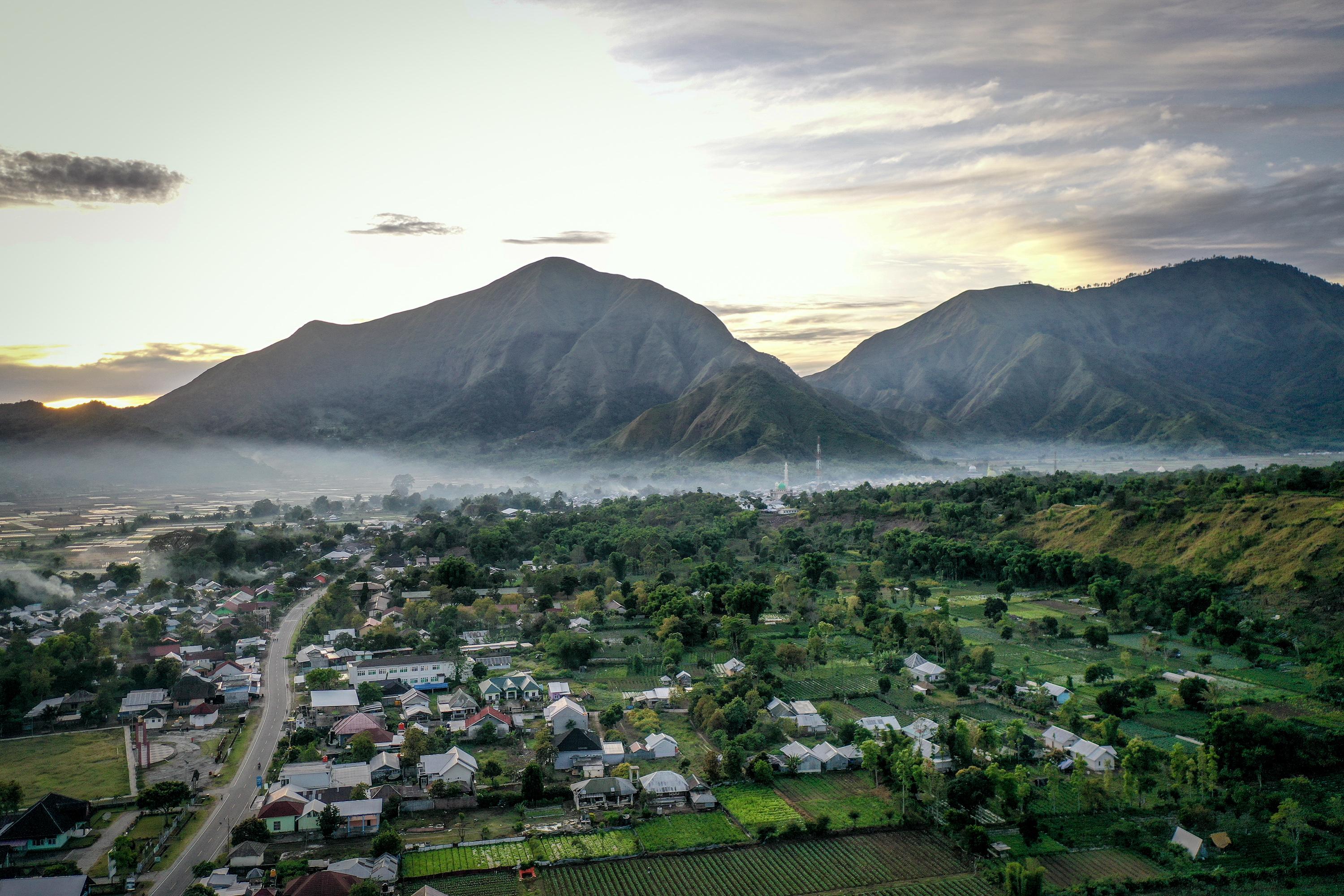
https://kemenpar.go.id/_next/image?q=75&url=https%3A%2F%2Fapi.kemenpar.go.id%2Fstorage%2Fapp%2Fuploads%2Fpublic%2F68c%2F0f3%2F1c9%2F68c0f31c95143102896160.jpg&w=3840

Situated on a plateau at the foothills of Mount Rinjani, Sembalun is an agricultural highland village known for its cool climate and expansive vegetable fields. Unlike coastal Lombok, Sembalun offers rural landscapes, strawberry farms, and trekking routes that begin toward Indonesia’s second-highest volcano. The community maintains traditional Sasak values while embracing eco-tourism and agro-tourism initiatives that allow visitors to engage in farming activities and local homestays. For travelers seeking nature-based cultural tourism in Lombok, Sembalun delivers a balanced experience of mountain adventure, rural lifestyle, and scenic tranquility.

Indonesia’s lesser-known destinations prove that cultural depth and authentic experiences often thrive away from crowded tourist corridors. These hidden gems offer meaningful engagement, sustainable travel opportunities, and insight into diverse regional identities.

Plan Your Trip Seamlessly with DoorToID!

DoorToID provides comprehensive visa processing, entry documentation support, and professional travel coordination for international visitors exploring Indonesia’s unique destinations.
Our streamlined system ensures efficient preparation, regulatory compliance, and real-time assistance throughout your journey.
Download the DoorToID mobile application to manage your travel documentation and itinerary with confidence.
Begin your exploration of Indonesia’s hidden cultural treasures today at apps.doortoid.com and experience a seamless travel process handled with precision and reliability.


Start your journey with us!

Share this post

Share

More Posts